

Why Post-Workout Nutrition Is Key to Recovery
Finishing a workout is only part of the fitness journey—what you do afterward plays an equally important role in achieving results. Post-workout nutrition provides the body with the essential fuel it needs to repair muscles, restore energy, and prepare for the next session. Without it, recovery slows down and progress can stall. The idea has been gaining attention through approaches like recovery revolution: post-workout nutrition unleashed, which emphasizes the importance of timing and quality in what you consume. From protein shakes to nutrient-rich meals, the right post-exercise choices can help reduce soreness, improve performance, and support long-term fitness goals. Understanding how nutrition shapes recovery is key to maximizing the benefits of every workout.
Replenishing Energy Stores
During exercise, your body uses glycogen, the stored form of carbohydrates, as a primary source of energy. Once depleted, these energy stores need to be replenished to prepare your body for the next session. Consuming carbohydrate-rich foods after a workout helps restore glycogen levels and ensures that your muscles recover faster. Skipping this step can leave you feeling fatigued and reduce your performance in future workouts.
Supporting Muscle Repair and Growth
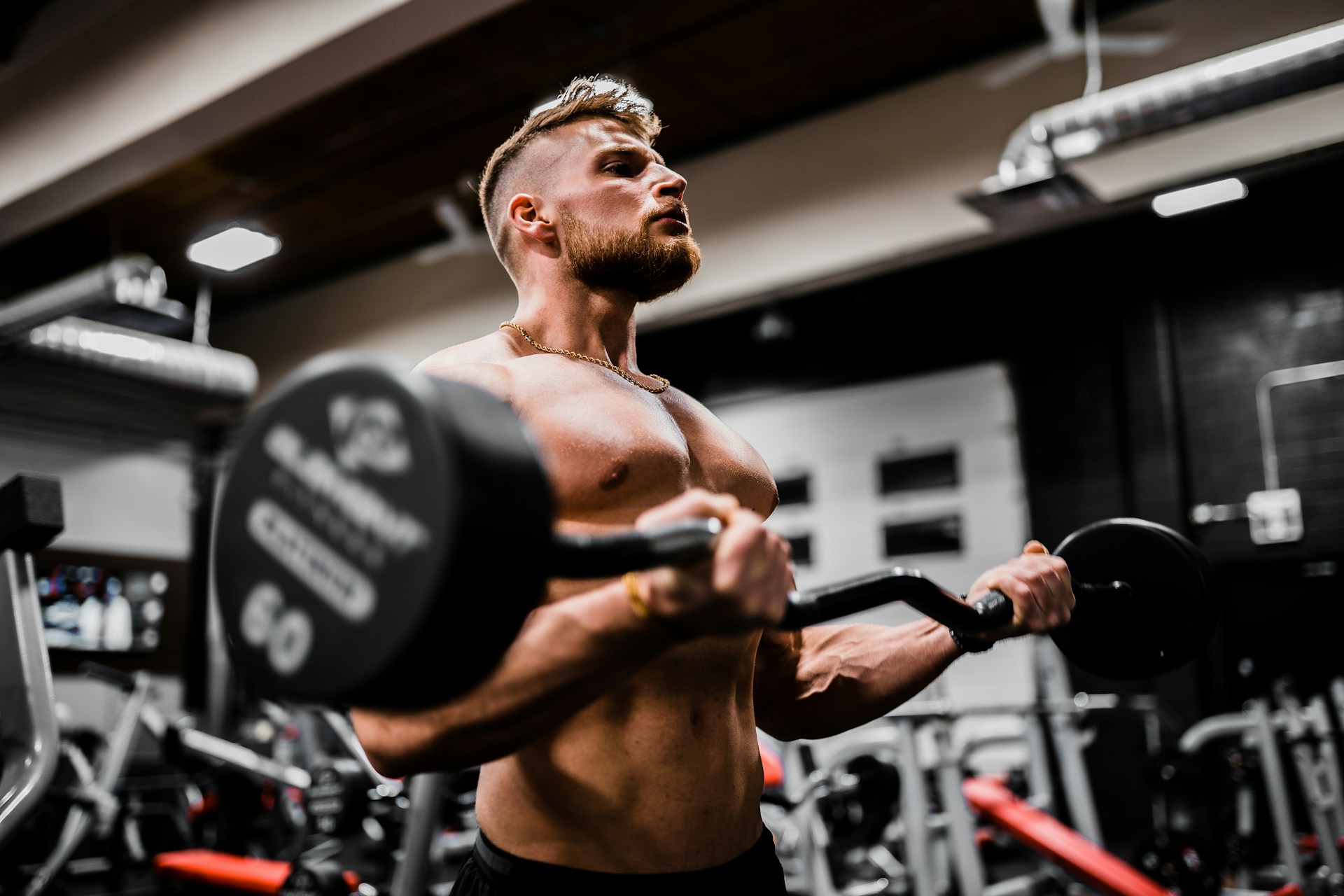
Exercise, especially strength training, creates small tears in muscle fibers. While this process is normal and essential for muscle growth, it requires adequate nutrition for proper repair. Protein intake after a workout provides the amino acids necessary to rebuild and strengthen muscles. Combining protein with carbohydrates enhances recovery by improving nutrient delivery and boosting muscle protein synthesis.
Reducing Muscle Soreness
Post-workout nutrition also helps minimize delayed-onset muscle soreness (DOMS), the stiffness and pain often felt after intense exercise. Consuming the right balance of protein, carbs, and healthy fats can speed up recovery, reduce inflammation, and restore comfort more quickly. Athletes who make post-workout meals a priority often find themselves ready for their next training session much sooner than those who skip them.
Hydration and Electrolyte Balance
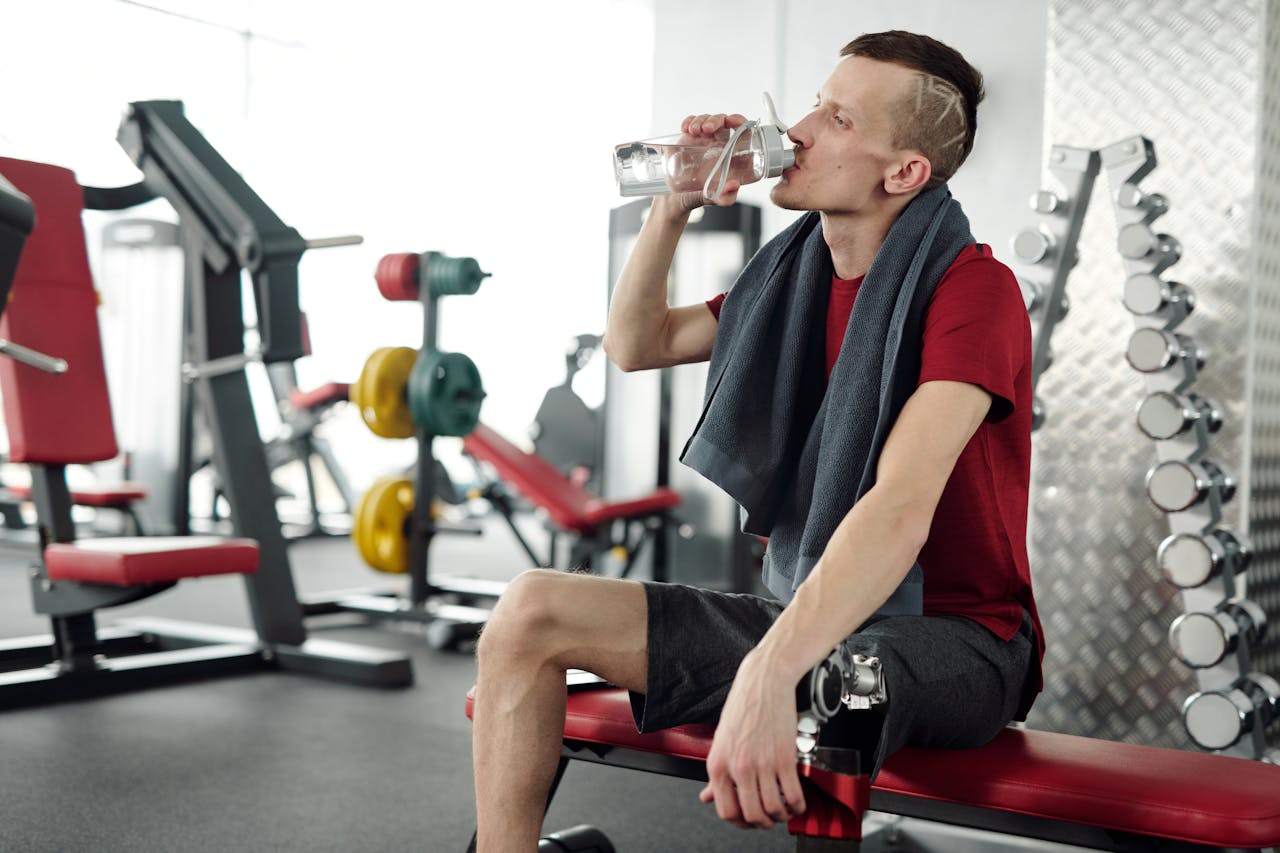
Sweating during workouts leads to the loss of water and electrolytes, both of which are essential for proper body function. Rehydrating with water and electrolyte-rich beverages after exercise supports circulation, regulates body temperature, and prevents cramps. Pairing fluids with nutrient-dense foods ensures a more complete recovery, keeping your body in balance.
Optimizing the Recovery Window
The timing of post-workout nutrition also matters. Research suggests that consuming a balanced meal or snack within 30 to 60 minutes after exercise maximizes recovery. During this period, the body is most receptive to absorbing nutrients, making it an ideal time to refuel. Even a simple combination like a protein shake with fruit can significantly aid the recovery process.
Post-workout nutrition is not just an afterthought—it’s a critical component of fitness success. By replenishing glycogen stores, repairing muscle tissue, reducing soreness, and restoring hydration, the right foods consumed after exercise help you recover faster and perform better in the long run. Whether you are an athlete, a gym enthusiast, or someone simply staying active, making post-workout meals a priority will ensure you get the most out of your training efforts.…
Why Post-Workout Nutrition Is Key to Recovery Read More
 Dairy products such as cheese, milk, butter, and cream are things that you cannot consume if you are dieting a vegan plan. These food products can be difficult to part with for some people, and it may be the reason why many start rethinking this diet plan. Luckily, nowadays, many people have a vegan lifestyle. You can now go to the supermarket and look for
  Many people still think inside the box when it comes to vegan cuisine. All they think about is the same old vegetables, which can be tedious. If you want to survive a vegan diet, try something out of the box and diversify your meal plans. Switch up your menu and try new things. Look up recipes online and cook a new dish. Getting out of a boring rut of the same old food will make it easier for you to stick to veganism.
 Having a vegan diet doesn’t mean that all you can have is a salad. You should also treat yourself every once in a while. Although you still have to stick with the rules of your vegan diet. There are many recipes for delicious meals and desserts. You can