
Remote Worker Meal Planning Tips for Productive Lunches
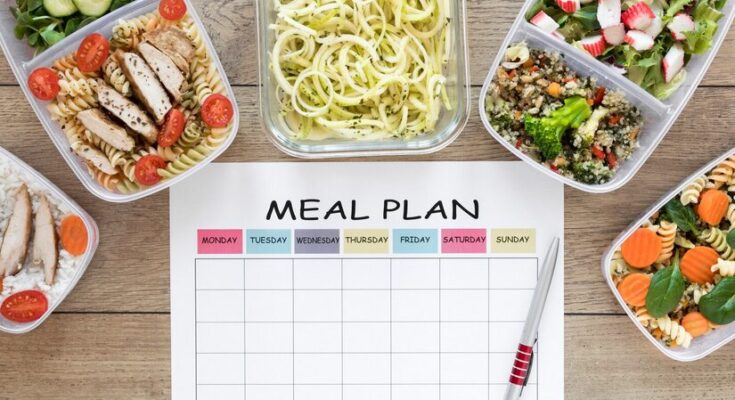
Remote work offers freedom, but it also creates a daily lunch dilemma. Too often, people skip meals or grab random snacks between calls. The result? Energy dips and sluggish afternoons. That’s why meal planning matters. Just like this roundup of easy meals for remote workers highlights, simple preparation strategies can turn lunch into a tool for productivity instead of a distraction.
Plan Ahead With Simple Staples
 Keeping a few core ingredients on hand makes lunch less of a mental battle. Grains like quinoa or brown rice, proteins such as chicken or beans, and fresh vegetables serve as building blocks. With these ready, assembling a quick bowl or wrap takes minutes instead of hours. Planning also reduces decision fatigue. By prepping ingredients over the weekend, the weekday lunch rush turns into a calm routine. Even basic chopping or portioning in advance saves energy for actual work instead of kitchen indecision.
Batch Cooking for Busy Days
Cooking in larger portions pays off when workdays feel packed. A pot of lentil soup, roasted vegetables, or grilled chicken can be stored in containers for the week. That way, grabbing lunch becomes as simple as reheat-and-eat. Batch cooking isn’t just efficient—it also helps with consistency. Instead of reaching for processed snacks during crunch time, there’s a ready-made meal waiting. This habit builds healthier patterns without requiring constant effort.
Balance Nutrients for Steady Energy
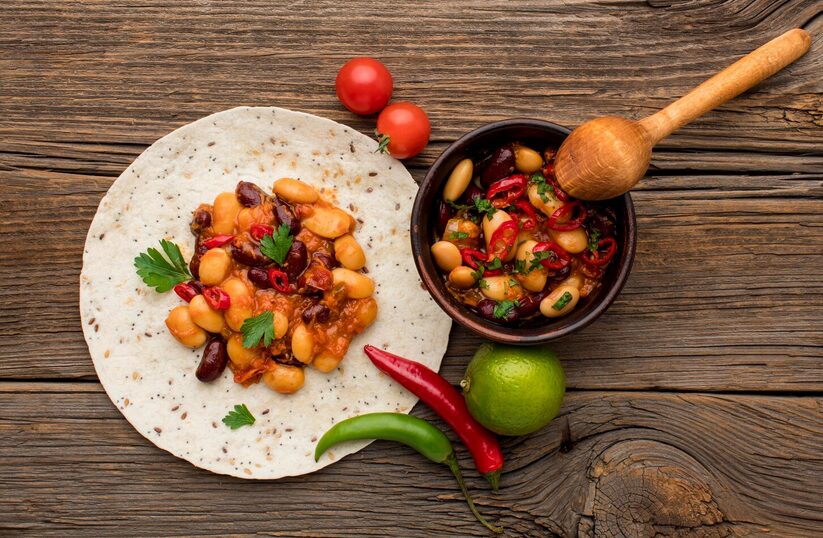
Productivity isn’t fueled by caffeine alone. Balanced meals with protein, fiber, and healthy fats stabilize blood sugar and prevent mid-afternoon crashes. Think salmon with quinoa and greens, or beans paired with whole-grain tortillas. Balancing nutrients also supports focus. Protein helps with concentration, fiber aids digestion, and healthy fats keep hunger away longer. Lunch becomes more than food. It becomes fuel for sharper thinking and smoother workflow.
Keep It Quick But Nutritious
Time is often the barrier. That’s why meals should be both fast and nourishing. Wraps, grain bowls, and hearty salads hit both marks. Most can be assembled in under 15 minutes with minimal cooking. Speed doesn’t mean compromise. Even microwaving leftovers from last night’s dinner counts as a planned, balanced option. The key is to avoid the trap of grabbing snacks that don’t sustain energy.
Add Variety to Prevent Food Fatigue
 Eating the same dish daily gets old fast. Rotating proteins, switching dressings, or trying seasonal vegetables adds freshness without adding much work. Variety keeps meals interesting and prevents the temptation of ordering fast food out of boredom. Experimenting also helps explore flavors that keep motivation high. A sprinkle of spices, a new grain, or even a different cooking method can make simple staples feel new again. Small changes go a long way in keeping meal planning sustainable.
Meal planning for remote work isn’t about perfection—it’s about practicality. Simple staples, batch cooking, balanced nutrients, quick prep, and variety form the foundation of productive lunches. By treating lunch as fuel instead of an afterthought, remote workers can power through the day with more energy, focus, and satisfaction.…
Remote Worker Meal Planning Tips for Productive Lunches Read More